From Sketch to Outfit: The Fashion Designing Process Explained
From Sketch to Outfit: The Fashion Designing Process Explained
How a Fashion Designer Turns an Idea Into a Personalised, Beautiful and Wearable Outfit
Every beautiful outfit begins with an idea.
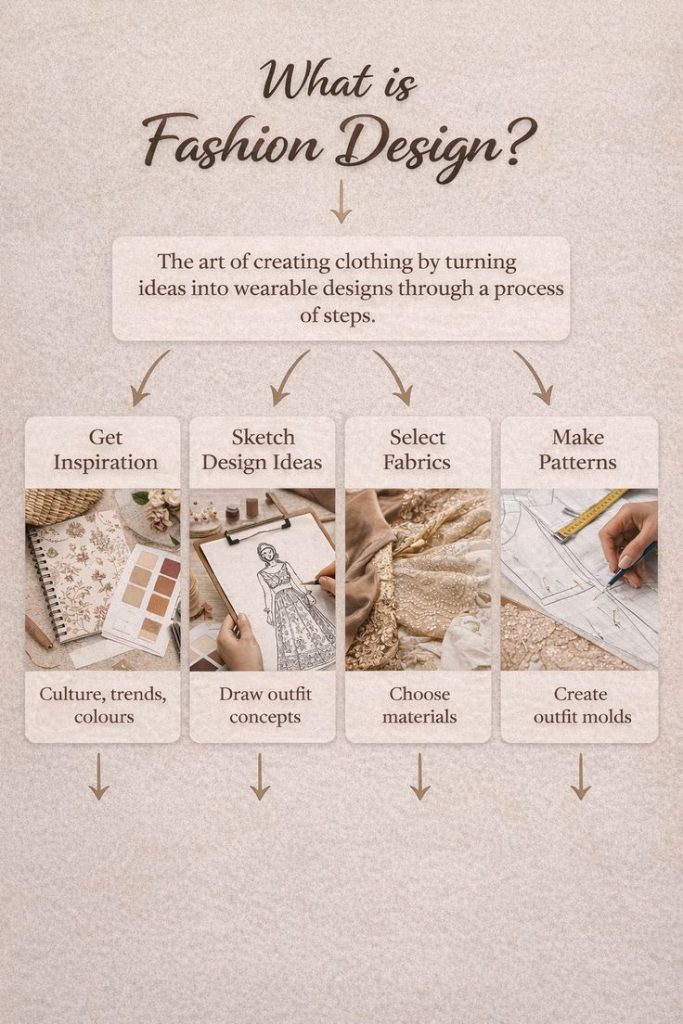
Before a dress reaches a boutique, collection, or customer’s wardrobe, it goes through a creative process involving inspiration, sketching, fabric selection, measurements, pattern making, fitting, detailing and finishing.
In 2026, fashion designing is becoming increasingly focused on personalisation, individuality, craftsmanship, comfort and versatility. Customers are looking for outfits that do more than follow a trend—they want clothing that reflects their personality and feels created specifically for them. Made-to-measure fashion is also gaining renewed attention, particularly among younger consumers who want custom details rather than simply copying ready-made designs.
So, how does a simple fashion idea become a finished outfit?
Let’s explore the complete journey from sketch to outfit.
1. Inspiration: Where Every Design Begins
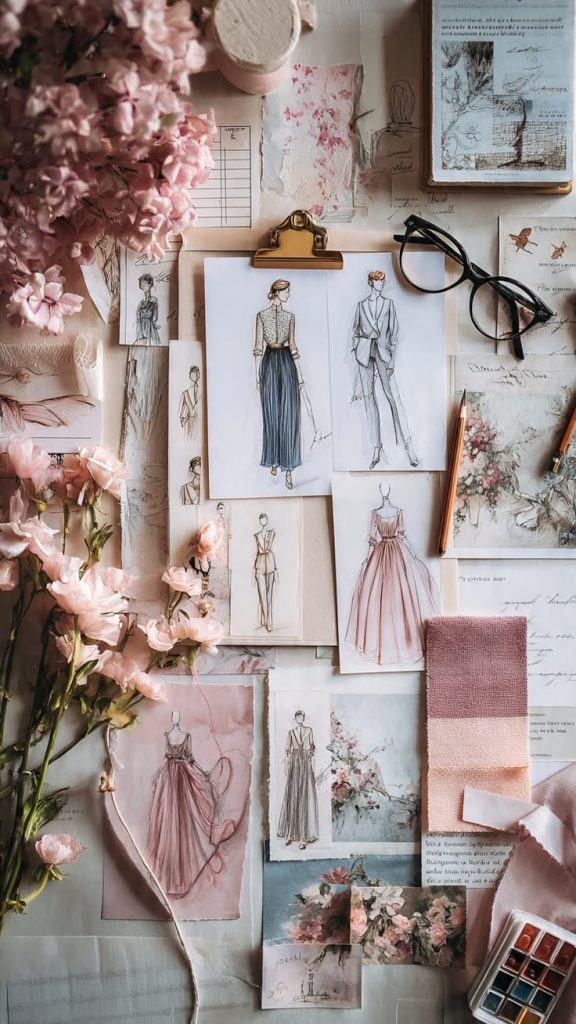
The first step in fashion designing is finding inspiration.
Inspiration can come from almost anywhere—architecture, nature, traditional Indian textiles, art, culture, travel, photography, vintage fashion or current runway trends.
A designer studies these references and identifies colours, shapes, textures, fabrics and details that can be transformed into a new design.
In 2026, inspiration is increasingly combined with personal style. Instead of designing only around a seasonal trend, designers are focusing on creating pieces that feel distinctive and meaningful to the wearer.
2. Understanding the Client and Their Requirements
For custom fashion, understanding the client is one of the most important stages.
Before creating the final design, a designer may consider:
The occasion
Personal style
Preferred colours
Body measurements
Comfort requirements
Fabric preferences
Desired silhouette
Budget
Styling preferences
Level of embellishment
This consultation helps transform a general idea into a personalised concept.
For example, a customer may want a modern outfit inspired by traditional Indian clothing. The designer can combine traditional craftsmanship with a contemporary silhouette to create something that feels both familiar and individual.
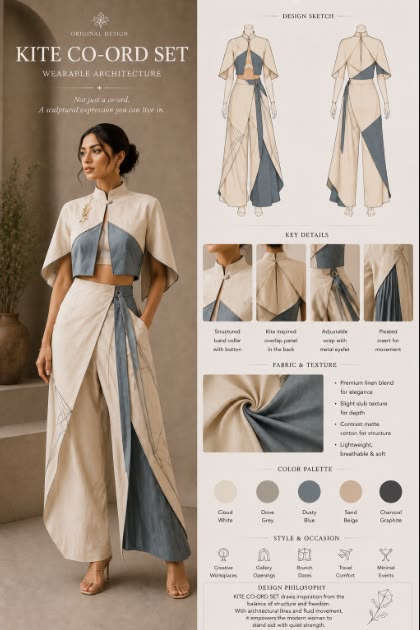
3. Creating the Fashion Sketch
Once the concept is clear, the designer begins sketching.
A fashion sketch helps visualise the outfit before it is constructed. It can show:
Silhouette
Neckline
Sleeves
Length
Draping
Embroidery placement
Fabric movement
Colour combinations
Decorative details
Today, technology is also becoming part of the creative process. In January 2026, IIT Roorkee announced research on AI-assisted fashion sketch generation, demonstrating how detailed fashion descriptions can be translated into outfit sketches and potentially support personalised design and retail applications.
However, technology does not replace the creative vision of a designer. The designer still makes important decisions about proportion, construction, material, styling and how the garment should feel when worn.
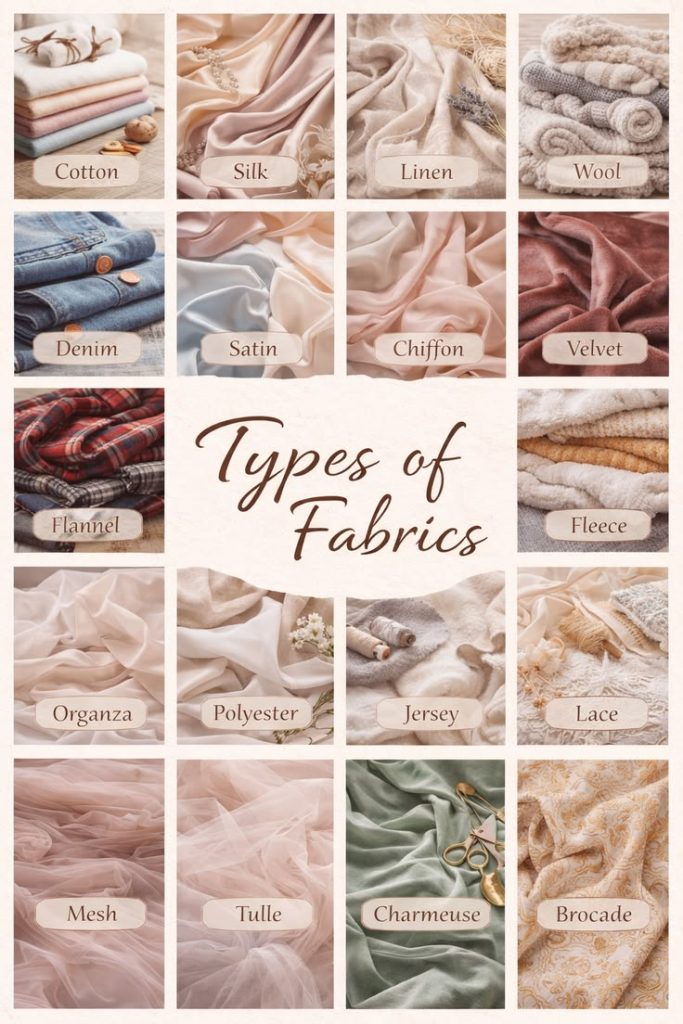
4. Selecting the Right Fabric
A beautiful design needs the right fabric.
Fabric selection depends on the outfit’s purpose, season, silhouette and desired appearance.
For example:
Silk: Suitable for elegant occasionwear and traditional outfits.
Cotton: Comfortable and versatile for everyday clothing.
Chiffon: Lightweight and suitable for flowing designs.
Georgette: Often useful for elegant drapes and occasionwear.
Organza: Suitable for structured, lightweight and statement details.
Velvet: Works well for luxurious winter and evening designs.
The designer also considers how the fabric will fall, move, stretch, hold structure and interact with embroidery or embellishments.
5. Developing the Pattern
After the sketch and fabric are finalised, the design needs to be translated into a practical pattern.
Pattern making converts the designer’s two-dimensional idea into pieces that can eventually be assembled into a three-dimensional garment.
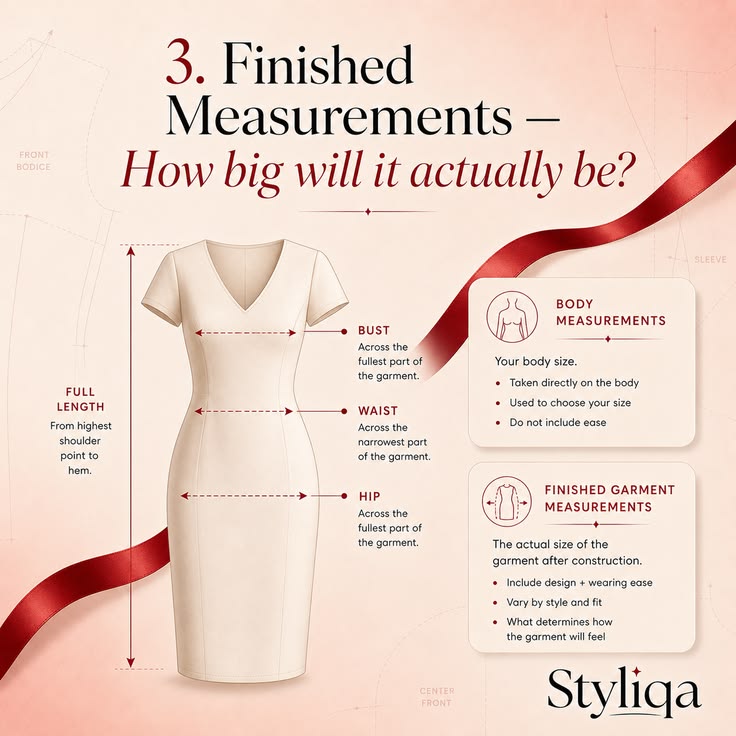
Measurements and proportions are carefully considered to create the required shape.
For custom-made clothing, this stage is particularly important because the pattern can be adjusted according to the individual’s measurements and desired fit.
6. Creating the First Sample
The first sample or prototype allows the designer to see how the design works in real fabric.
At this stage, the designer checks:
Overall shape
Length
Fit
Proportion
Comfort
Sleeve placement
Neckline
Draping
Movement
Sometimes a design looks perfect on paper but needs adjustments when made into an actual garment.
This is why fashion designing is not simply about drawing a beautiful sketch. It is also about understanding construction, fabric behaviour and the relationship between design and the human body.
7. Fitting and Making Adjustments
Fitting is one of the most important stages in custom fashion designing.
During a fitting session, the designer checks whether the garment sits correctly and comfortably.
Adjustments may be required in areas such as:
Shoulders
Waist
Bust
Sleeves
Length
Neckline
Hemline
A good fitting process helps achieve a garment that not only looks beautiful but also allows the wearer to move comfortably.
This emphasis on fit and individuality is particularly relevant to the current made-to-measure movement, where customers increasingly want clothing adapted to their own preferences rather than simply selecting standard designs.
8. Adding Embroidery and Signature Details
Once the basic construction is approved, the designer can focus on the details that make the outfit special.
These may include:
Hand embroidery
Beading
Sequins
Threadwork
Appliqué
Pleating
Draping
Lace
Decorative buttons
Metallic details
Craftsmanship is becoming an increasingly important part of fashion’s value proposition in 2026, with greater attention being given to handmade techniques and the artisans behind garments.
For Indian fashion, this creates an opportunity to combine traditional techniques with contemporary silhouettes.
9. Final Construction
After the fitting and detailing are approved, the final garment is carefully constructed.
This stage involves assembling the different components, securing embellishments, finishing seams and ensuring that the garment matches the original design concept.
Attention to detail is essential because even small finishing elements can influence the final appearance and quality of an outfit.
10. Quality Check
Before the outfit reaches the customer, it goes through a final quality check.
The designer or production team may inspect:
Stitching
Seams
Embroidery
Embellishments
Fabric finish
Measurements
Fitting
Colour consistency
Overall appearance
The goal is to make sure the finished outfit meets the expected design and quality standards.
11. Styling the Final Look
Fashion designing doesn’t necessarily end when the garment is completed.
Styling can help bring the complete look together.
Depending on the outfit, a designer may suggest:
Jewellery
Footwear
Handbags
Dupatta styling
Belts
Hair and makeup direction
Layering
Accessories
The current fashion landscape also places greater emphasis on versatility. For example, contemporary bridalwear is increasingly incorporating separates, adaptable layers and pieces that can be restyled for different occasions rather than being limited to a single event.
12. The Final Outfit
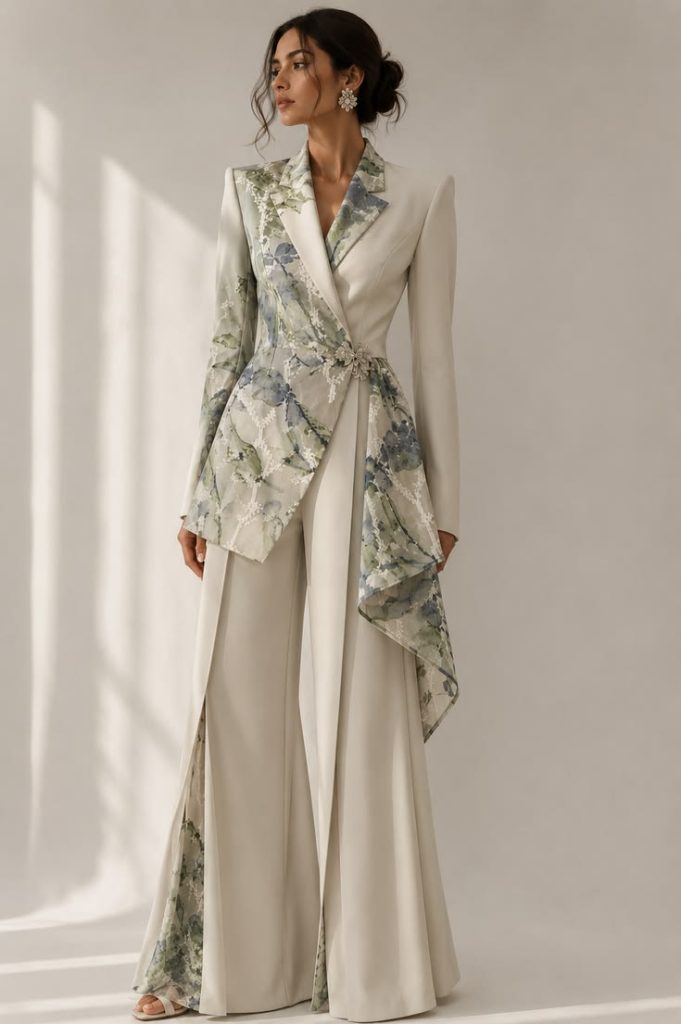
Finally, the original sketch becomes a finished garment.
What started as an idea has now passed through several stages:
Inspiration → Consultation → Sketch → Fabric Selection → Pattern → Sample → Fitting → Detailing → Construction → Quality Check → Final Outfit
This is what makes fashion designing a combination of creativity, technical knowledge, craftsmanship and personalisation.
Why Custom Fashion Designing Is Different
Ready-to-wear clothing provides convenience, but custom designing offers something different: the opportunity to participate in the creative process.
A custom outfit can be developed around the customer’s:
Measurements
Personality
Occasion
Colour preferences
Comfort requirements
Styling preferences
This makes the process more collaborative.
In today’s fashion market, where consumers are increasingly looking for quality, individuality and meaningful experiences rather than simply buying more products, personalised fashion can offer a more intentional approach to dressing. Deloitte’s 2026 India fashion analysis also points to changing consumer expectations and greater emphasis on value and experience beyond price alone.
Fashion Designing in 2026: What Is Changing?
The fashion design process continues to evolve.
Personalisation
Customers increasingly want clothing that feels unique and connected to their individual style.
Versatility
One outfit can now be designed to create multiple styling possibilities, particularly for occasionwear.
Craftsmanship
Handmade embroidery, traditional techniques and artisan details are receiving renewed attention.
Technology
Digital tools and AI-assisted technologies are opening new possibilities for fashion visualisation, design development and personalised shopping.
Comfort
Modern customers increasingly expect their outfits to combine visual appeal with comfort and ease of movement.
Conscious Fashion
Designing thoughtfully, selecting quality materials and creating garments with longer-term wearability can contribute to a more considered fashion approach.
Final Thoughts
From the first sketch to the final fitting, fashion designing is a journey of transformation.
A designer doesn’t simply create clothing. They bring together ideas, fabrics, proportions, craftsmanship, technology and personal preferences to create a garment that can become part of someone’s story.
In 2026, the future of fashion is not only about what is trending. It is increasingly about what feels personal, wearable, versatile and meaningful.
That is where the real beauty of custom fashion lies—turning an idea into something that is uniquely yours.